Sunday, March 27, 2011

Experimentation

Tried out the color range feature on Photoshop... always thought the monochrome + one color dealio looked cool. :D Took me forever how to remember to do this... in the middle of working, the internet at Banes died, so I had a huge "oh crap" moment when I realized I couldn't use my instructions video anymore. Oops?


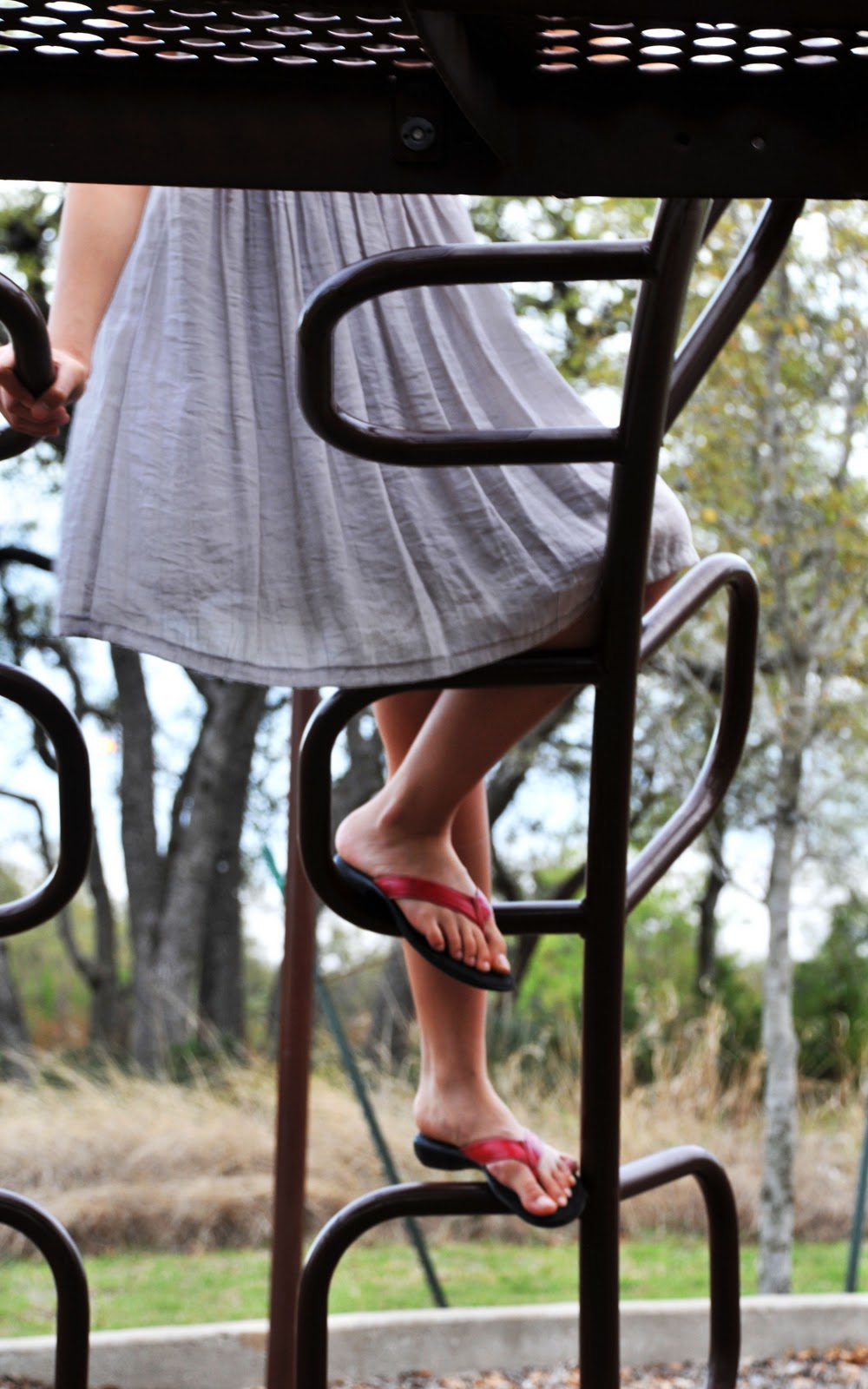
So I feel like I'm involved in some ad campaign for my sister's flip flops...

Before and After

Fixing photo quality with Photoshop... <3 lifesaver. 


Before

After

Before

After

Before

After

Before

After

...BLACK AND WHITE!

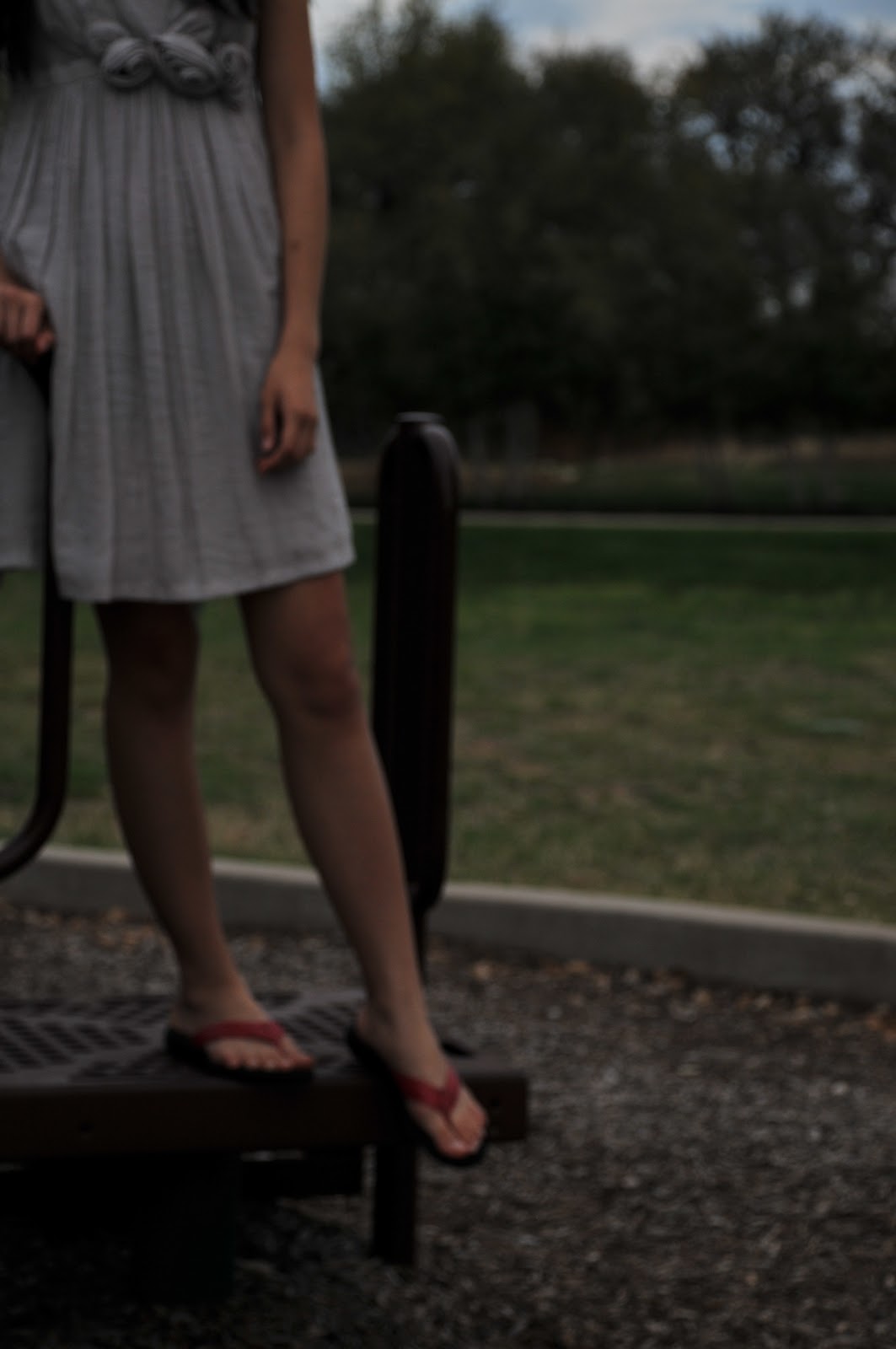
Pseudo Reject Pile: My Excuse To Be Lazy

3/20/11, playground with the sis. :)

It basically took me 140 photos to fiddle with camera settings.. the light was horrible that day, so cloudy. These are the pics I didn't bother photoshopping. I'm so lazy :D 

I also discovered that photos on my camera screen appear brighter than they actually are...


So this is 9 out of 16 pictures I liked, the rest will be photoshopped. 16 out of 140 photos. Heh. the scary part is how normal these stats are.

Wednesday, February 16, 2011

Lenses (of knowledge? jk)

That "amazing thing" about dSLRs that sets them apart from your point-and-shoot cameras is the fact that they use interchangable lenses. Photography is basically the science of optics, and thus, a good lens on a semi-decent camera can take a better picture than a horrible lens on an amazing camera. 


However, as I experienced first-hand, the type of lens on the camera is rather important... :P


Taken from my cell phone, macro setting

Taken from a Nikon D300 with an 18-135mm lens
Lens info: http://gizmodo.com/#!5331109/the-3-dslr-lenses-you-need-and-2-more-youll-crave

Moolah

My mentor Eric highly emphasized the business aspect of photography. Likewise, through various blog posts, photojournalist Mark M. Hancock (.blogspot.com) again emphasizes the important of business skills, as well as discusses the logistics of a photojournalist's income.

Articles: Negotiate A Good Staff Deal - Fixed Costs, Negotiate A Good Staff Deal - Variable Costs, Transition from Staff to Freelance

Hancock reminds his blog visitors that photojournalism is not a well-paying field. Photojournalists choose this job to follow their passion, their art, and they (should) find joy in their work, despite the income. Thus, Hancock offers his description and advice on how to secure enough money to get by.


One thing I can't stop thinking about is just how... expensive photography can be. Buying equipment, updating equipment, it's almost cruel -- a photographer practically has to shell out so much cash to work. While photographers do get to use company equipment, Hancock emphasizes the importance of one's own tools that one can carry and add to throughout life. Thus, Hancock says that even early on, when photographer does happen to have a staff job at a corporation, it's fundamental to save up money for equipment. It almost feels counter-intuitive to me, yet the logic makes sense. 


Photojournalists basically have two career variations: steady-income jobs with a business, or freelance work. Another interesting tidbit is that Hancock urges photojournalists to negotiate for contracts with good benefits and if necessary, lower income than a contract with a higher income without benefits. Meanwhile, even at staff jobs, photojournalists still rack up bills for their work, such as travel fees, repairs, etc. and those costs come out of their own pocket. 


It's daunting for me to imagine willingly subjecting myself to a life without stability -- what can I say, I'm a control freak. Yet to me, if someone feels so much passion about something that they're willing to, that's the bravest and more admirable thing in the world.

Aperture, Shutter Speed, Exposure

So I played with my camera today! Exposure is defined as "the total amount of light allowed to fall on a photographic medium during the process of taking a photograph." My mentor, Eric, had previously instructed me about how three characteristics combine to create light effects. I set the ISO, the measurement of the camera's sensitivity to light, on auto and messed around with aperture, the amount of light through the lens (aka how wide the lens opens) and with the shutter speed (how quickly the lens opens and closes). 


low shutter speed + high aperture = underexposure

balanced aperture and shutter speed

high shutter speed + high aperture = overexposure

insanely low shutter speed + high aperture = underexposure

low shutter speed + insanely high aperture = overexposure
 With a constant ISO, the effects of aperture and shutter speed on exposure depended on their relative degrees. The main difference between aperture and shutter speed, which would be the function of shutter speed to capture movement is not necessarily related to exposure: it's another effect and consideration. However, for my purposes, I was not working with motion shots.

Tuesday, December 14, 2010

Magic.

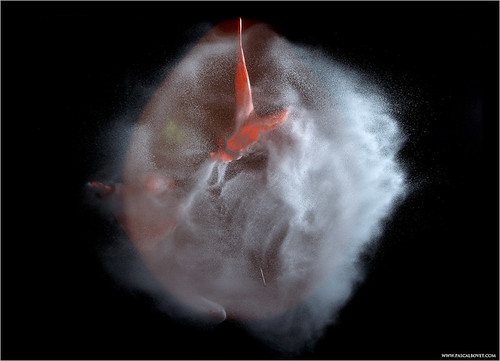
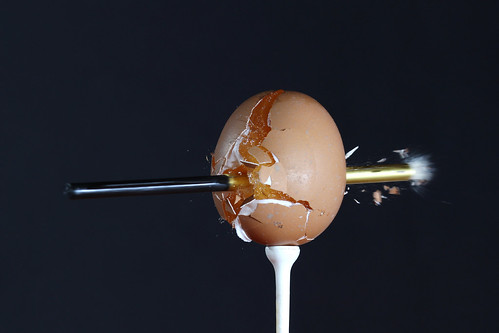
Pointless, but maybe that's the point. So I stopped and stared.

http://www.flickr.com/photos/yahooeditorspicks/galleries/72157625550600212/


Macro photography has always been a favorite of mine just because it's so cool to look at. This whole gallery of close-up stilled shots (although not all of them are macro) is just.. cool. These photographs make me go "wow." And in the midst of studying the industry and feeling the stress of incomes, number-crunching, it's easy to forget that sometimes, the "best" photographs aren't the ones that tell the deepest stories or win the highest prizes. I like these photos because they're creative, they depict situations, while totally pointless, still aren't normally encountered in daily life and therefore, interesting. In my project proposal I asked something along the lines of what makes a good photograph. There's the manipulation of light, perspective, creating angles, etc. all the little intricacies of portrait photography. There's the awe factor associated with action shots, the shots that capture a moment, the ones you might have to stand in thirty thunderstorms, waiting for that one perfect lightning bolt, to capture. All of those demand respect, and can make or break careers. Yet there's this fun, quirky gallery that is just something... different?


Applying stuff I've learned:
So, these photographs are possible using insanely high-speed shutter speeds. The lens of the camera opens and closes so quickly that for example, the fall of a water droplet is captured. In comparison, lower shutter speeds "blur" motion. Shutter speed becomes a vital part of sports photography, where photographers dictate how "still" players appear, compared to how blurred the environment around them is.